
The mobile app industry in the United States continues to evolve rapidly, driven by innovation, user expectations, and emerging digital trends. Today, every Mobile Application Development Company in USA must stay updated with the latest technologies to deliver secure, scalable, and high-performing mobile applications. From AI-driven features to cloud-native development, modern technologies are reshaping how apps are designed, built, and maintained.
In this blog, we’ll explore the latest technologies used by top US-based app development companies and how they impact performance, user experience, and overall Mobile app development cost in USA.
Latest Technologies Used by a Mobile Application Development Company in USA
1. Artificial Intelligence (AI) and Machine Learning (ML)
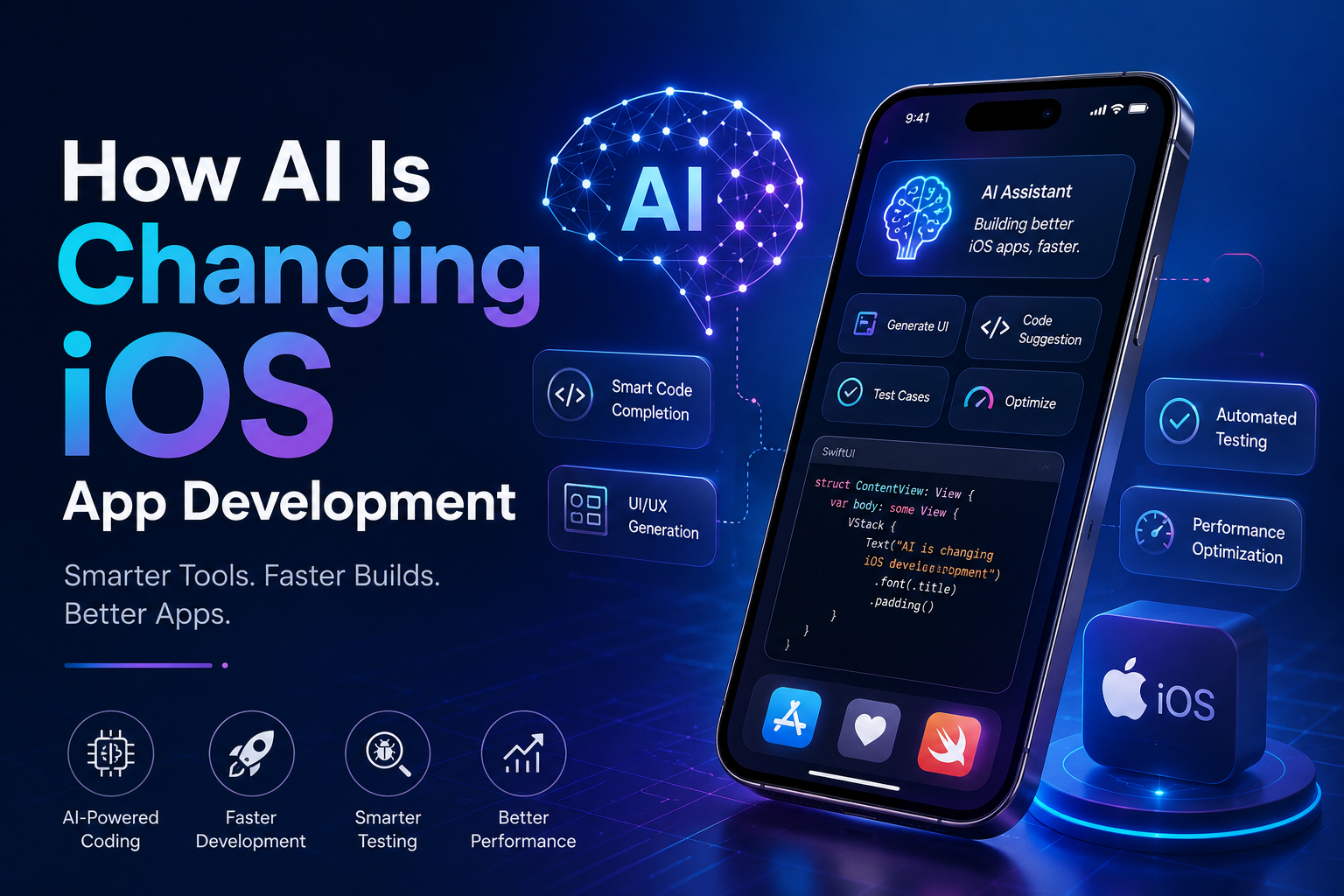
Artificial Intelligence and Machine Learning have become core components of modern mobile applications. A leading Mobile Application Development Company in USA integrates AI/ML to provide intelligent, data-driven features.
Key use cases include:
Personalized recommendations
Voice assistants and chatbots
Predictive analytics
Facial recognition and biometric security
AI-powered apps not only enhance user engagement but also automate repetitive tasks, reducing operational costs in the long run. Businesses that hire mobile app developers with AI expertise gain a competitive edge in delivering smarter mobile solutions.
2. Cross-Platform Development Frameworks
To reduce time-to-market and optimize budgets, many companies now rely on cross-platform frameworks such as Flutter, React Native, and Xamarin. These frameworks allow developers to create apps for both Android and iOS using a single codebase.
Benefits:
Faster development cycles
Consistent UI/UX across platforms
Easier maintenance and updates
For startups and enterprises alike, cross-platform development is a cost-effective approach without compromising quality.
3. Cloud-Based Mobile App Development
Cloud technology plays a vital role in modern app architecture. A professional Mobile Application Development Company in USA uses cloud platforms like AWS, Google Cloud, and Microsoft Azure to build scalable and secure mobile apps.
Advantages of cloud integration:
Real-time data synchronization
Improved app performance
Enhanced data security
Reduced infrastructure costs
Cloud-native apps can easily scale based on user demand, making them ideal for businesses planning long-term growth.
4. Internet of Things (IoT) Integration
IoT-enabled mobile applications are gaining popularity across industries such as healthcare, smart homes, logistics, and manufacturing. US app development companies integrate IoT technologies to connect mobile apps with smart devices and sensors.
Common IoT app features include:
Remote device monitoring
Real-time data tracking
Automation and alerts
Predictive maintenance
When businesses hire mobile app developers experienced in IoT, they can build apps that improve efficiency and provide real-time insights.
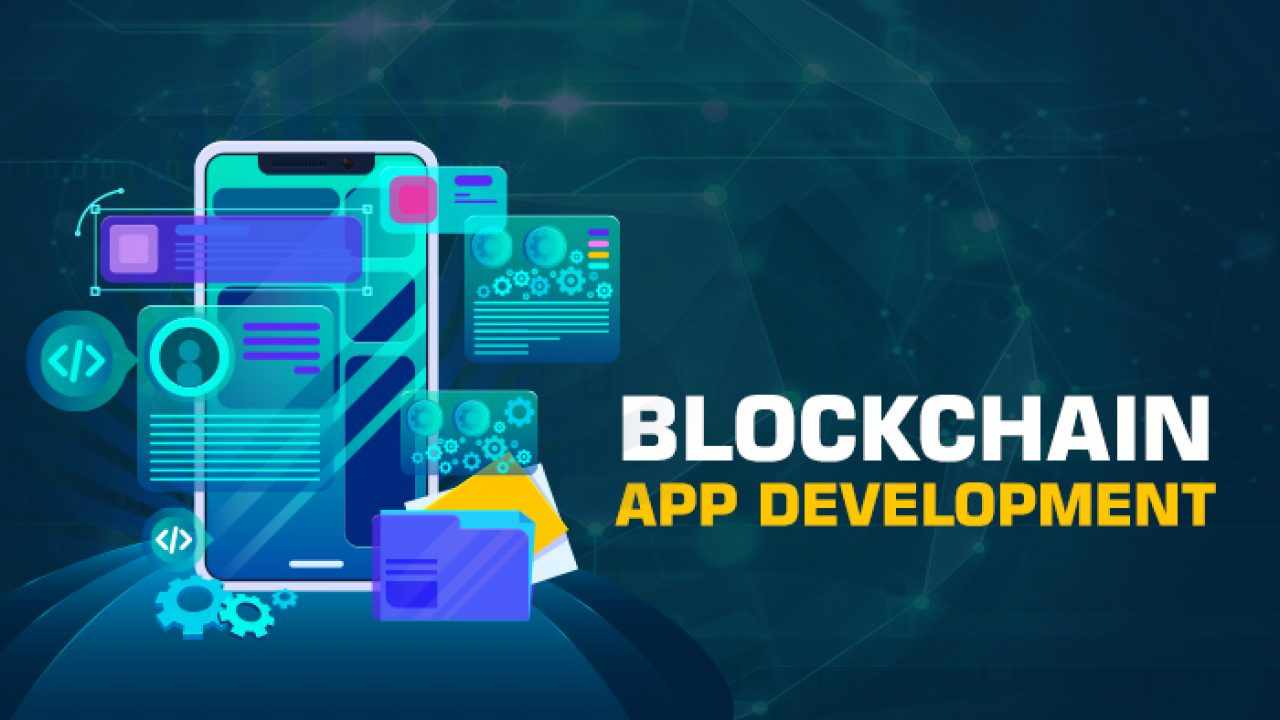
5. Blockchain Technology
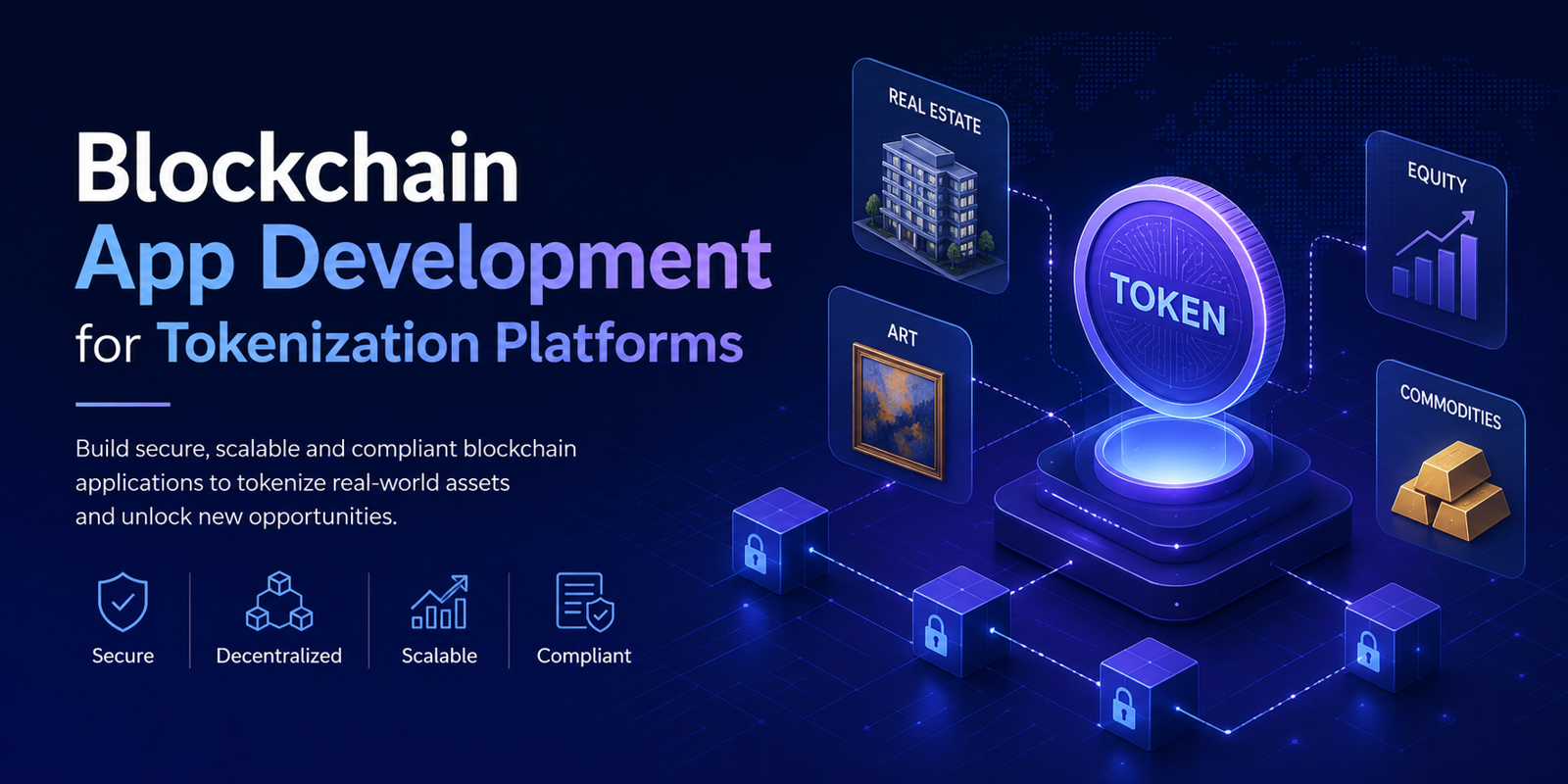
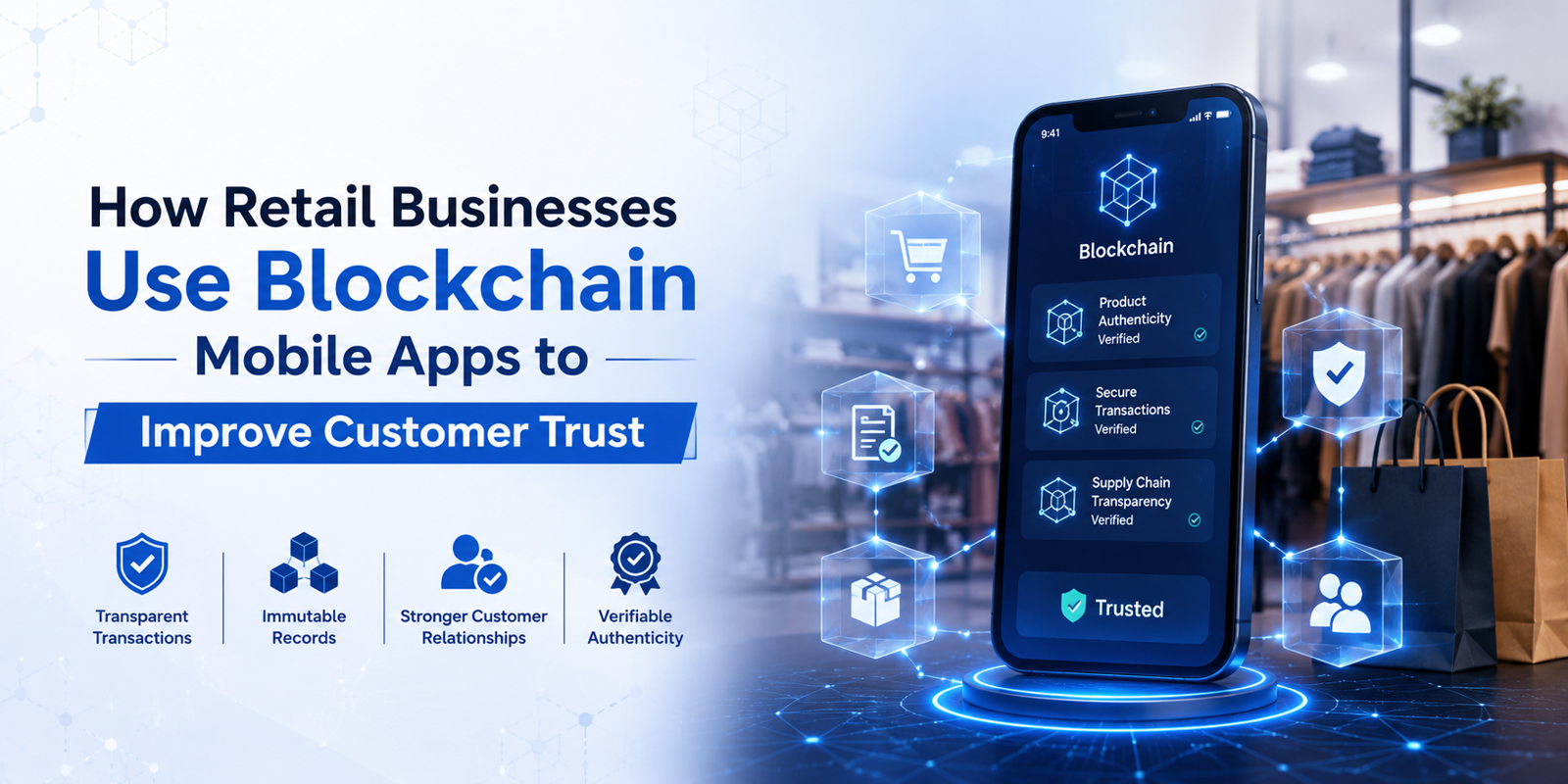
Blockchain is no longer limited to cryptocurrency. Many mobile app development companies in the USA use blockchain for applications requiring high security and transparency.
Blockchain use cases in mobile apps:
Secure digital payments
Smart contracts
Identity verification
Data protection and fraud prevention
Although blockchain integration may increase the Mobile app development cost in USA, it significantly enhances trust, security, and compliance.
6. Augmented Reality (AR) and Virtual Reality (VR)
AR and VR technologies are transforming user experiences, especially in industries like retail, real estate, gaming, education, and healthcare. A forward-thinking Mobile Application Development Company in USA leverages tools such as ARKit, ARCore, Unity, and Unreal Engine.
AR/VR benefits include:
Immersive user experiences
Interactive product visualization
Enhanced engagement and retention
Innovative brand positioning
These technologies help businesses stand out in a competitive market by delivering visually rich and interactive apps.
7. 5G Technology
The rollout of 5G networks in the USA has opened new opportunities for mobile app development. With ultra-low latency and high-speed connectivity, 5G-enabled apps deliver superior performance.
Impact of 5G on mobile apps:
Faster load times
Improved video streaming
Enhanced AR/VR experiences
Better real-time gaming and IoT apps
US-based companies are optimizing apps to fully leverage 5G capabilities, ensuring future-ready solutions.
8. Progressive Web Apps (PWAs)
Progressive Web Apps combine the best features of web and mobile apps. Many businesses choose PWAs to reduce development costs while maintaining a seamless user experience.
Why PWAs are popular:
Offline functionality
No app store dependency
Lower Mobile app development cost in USA
Faster updates and deployment
A reliable Mobile Application Development Company in USA often recommends PWAs for startups and small businesses looking for quick market entry.
9. DevOps and CI/CD Automation
DevOps practices and CI/CD (Continuous Integration and Continuous Deployment) pipelines are essential for faster, error-free app releases. These technologies help developers automate testing, deployment, and monitoring.
Benefits include:
Faster updates
Improved app stability
Reduced downtime
Enhanced collaboration
When you hire mobile app developers skilled in DevOps, you ensure long-term app reliability and performance.
Conclusion
The mobile app landscape in the United States is driven by cutting-edge technologies that enhance functionality, security, and user experience. A modern Mobile Application Development Company in USA adopts AI, cloud computing, blockchain, AR/VR, and 5G to build next-generation mobile applications.
Choosing the right technology stack plays a crucial role in determining app success and overall Mobile app development cost in USA. Businesses that hire mobile app developers with expertise in these latest technologies can future-proof their applications and achieve sustainable growth in a competitive digital market.
Staying updated with these trends is no longer optional—it’s essential for building innovative, scalable, and user-centric mobile applications.








Write a comment ...